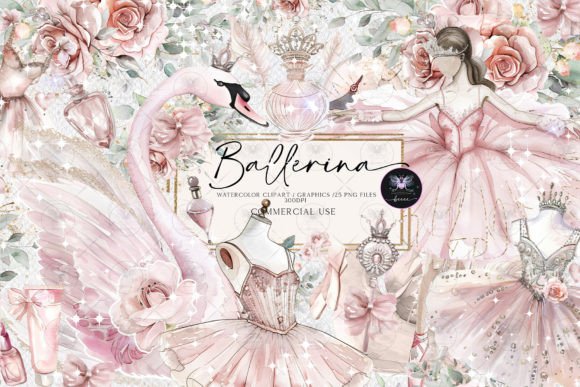
Ballerina Clipart Watercolor Illustrations for Crafters
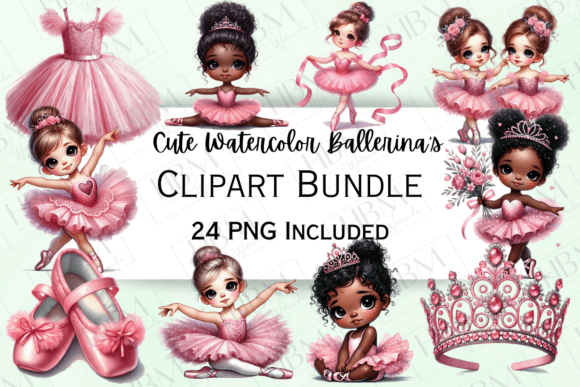
As a handmade business owner who has spent years navigating the intersection of digital design and physical crafting, I approach every new graphic design asset with a healthy dose of skepticism. When I first opened the Ballerina Clipart Watercolor collection, I wasn't just looking for pretty pictures; I was evaluating a potential workhorse for my upcoming spring collection. The immediate impression is one of soft elegance mixed with playful nostalgia. These illustrations strike a difficult balance, avoiding the overly cartoonish look that can cheapen a product while steering clear of the stiff, classical art style that sometimes feels too formal for everyday handmade goods. The mood is distinctly feminine and dreamy, suggesting a target customer who values whimsy, ballet recitals, nursery decor, and personalized gifts for little dancers.
For Etsy shop owners and creative entrepreneurs, this specific aesthetic is gold. It signals "handmade" and "custom" rather than "mass-produced." When browsing these files, I could immediately visualize them anchoring a cohesive seasonal collection. Whether you are targeting moms planning a dance recital party or parents decorating a nursery, this clipart offers the visual warmth necessary to convert browsers into buyers. However, as with any watercolor asset, the transition from screen to substrate requires careful consideration.
Real-World Applications for Sublimation and Printables
In my studio, watercolor assets live or die by their print quality. I tested this Ballerina Clipart Watercolor specifically for sublimation design and printable products, as these mediums rely entirely on the integrity of the PNG design files. For tumbler wraps and mug designs, the color saturation was impressive. Often, watercolor clipart can look washed out once transferred to polyester or ceramic, but these illustrations retained their vibrancy without becoming muddy. I created a test 20oz skinny tumbler wrap featuring a central ballerina motif surrounded by subtle floral accents, and the gradient transitions remained smooth even after heat pressing.
For printable design projects like party invitations, planner stickers, and wall art, the resolution is critical. I zoomed in to 300% to check for pixelation along the edges of the watercolor splashes. The files held up beautifully, making them safe for high-quality printing at standard sizes. This makes the collection particularly valuable for digital product sellers creating instant-download party bundles. If you are running a print-on-demand business or fulfilling custom stationery orders, these illustrations provide enough detail to look premium on paper products without requiring extensive retouching.
Navigating Vinyl Cutting and Cricut Projects
This is where experienced crafters need to pause and manage expectations. While the Ballerina Clipart Watercolor collection is stunning for printing, using it as an SVG design for vinyl cutting requires strategic adaptation. Watercolor illustrations are inherently raster-based, meaning they are made of pixels, not vectors. If your goal is to cut these ballerinas out of adhesive vinyl for a t-shirt design or car decal, you cannot simply send the PNG to your machine and expect clean lines.
I tested the silhouette extraction process using both Cricut Design Space and Silhouette Studio. For larger projects, such as a tote bag or a wooden sign for a dance studio, the results were acceptable after using the trace tool to create a cut line around the outer edge. However, for intricate details like individual fingers, tutu layers, or delicate hair ribbons, the automated tracing struggled. The software either merged small gaps or created jagged edges that would be impossible to weed cleanly.
My honest advice for Cricut project creators: Use these illustrations primarily as print-then-cut elements rather than standalone vinyl cuts. If you must use them for layered vinyl, plan to simplify the design significantly. Create a solid shadow base in a complementary color and place the detailed watercolor illustration on top as a printable layer, or use the clipart as inspiration to hand-draw simplified vector shapes that capture the essence without the cutting complexity. This hybrid approach preserves the beauty of the watercolor style while respecting the mechanical limitations of vinyl cutting machines.
Strategic Product Pairings and Design Workflow
To maximize the commercial value of this design bundle, you need to pair it with the right typography and layout strategies. During my testing, I found that these ballerina illustrations work best when balanced against clean, modern fonts. A delicate script font complements the watercolor texture for names and titles, while a simple sans serif font provides necessary readability for dates and details on event signage. Avoid overly distressed or grunge fonts, as they compete visually with the organic texture of the watercolor and can make the final product look cluttered.
For small business branding, these assets are excellent for packaging and customer experience touches. I used a smaller ballerina element to design custom thank-you cards and sticker design sheets for shipping. Because the background transparency was clean, I could easily overlay the illustration onto my branded pink tissue paper mockups without white boxes appearing around the image. This level of polish elevates the unboxing experience and reinforces the boutique feel of a handmade business.
When creating product mockups for your Etsy listings, ensure you are showing the clipart in context. Do not just display the raw digital file. Place the ballerina on a realistic mug mockup, a framed nursery print, or a folded invitation. Customers need to see how the watercolor texture interacts with real-world materials. This bridges the gap between a digital download and a tangible treasure.
Essential Technical Checks Before Selling
Before listing any finished product made with this Ballerina Clipart Watercolor, run through this practical checklist to protect your business and ensure quality:
- Verify Commercial Licensing: Never assume usage rights. Check if the license covers physical end products, digital templates, and print-on-demand services. Some licenses restrict the number of units sold or require attribution.
- Test Color Profiles: Watercolors often shift from RGB (screen) to CMYK (print). Print a physical proof on your actual production equipment before accepting bulk orders to ensure skin tones and dress colors remain accurate.
- Audit Transparency Edges: Zoom in on the PNG edges. If there are faint white halos or gray artifacts, use a masking tool to clean them up. These flaws are invisible on screen but glaringly obvious on dark-colored shirts or colored cardstock.
- Simplify for Small Sizes: If using the clipart for 1-inch planner stickers or gift tags, reduce the detail. Complex watercolor textures turn to mud at small scales. Crop to focus on the face or the tutu rather than the full figure.
- Check Contrast on Dark Backgrounds: Watercolor is naturally translucent. If applying to black or navy fabric, test whether the colors pop or disappear. You may need to add a white underbase layer for sublimation on dark garments.
Final Thoughts for the Handmade Entrepreneur
The Ballerina Clipart Watercolor collection is a versatile asset for the prepared crafter. It excels in sublimation, printables, and branding applications where its painterly charm can shine without technical interference. For vinyl enthusiasts, it serves better as a print-then-cut component or a source of inspiration rather than a direct cut file. By understanding these distinctions and performing due diligence on licensing and color testing, you can transform these beautiful illustrations into profitable, professional-grade handmade products that delight customers and strengthen your brand identity in the competitive creative marketplace.