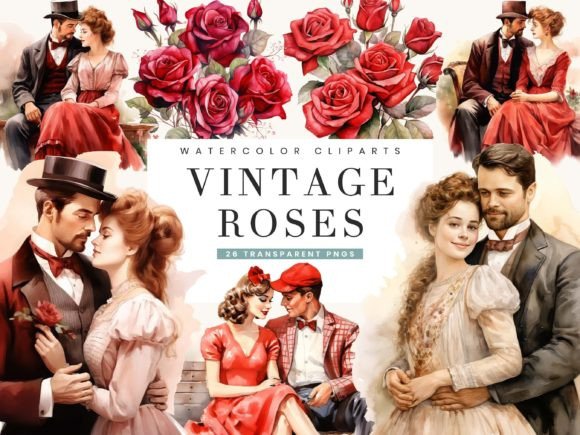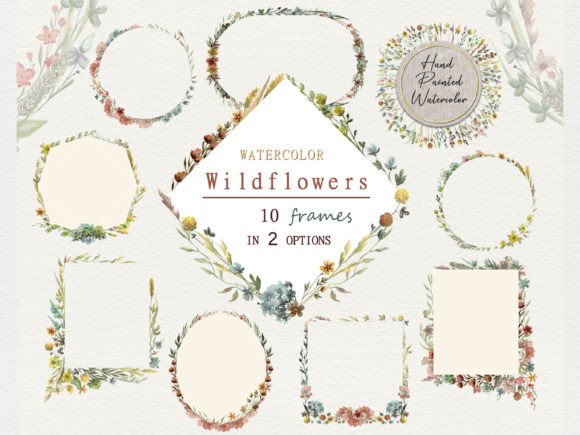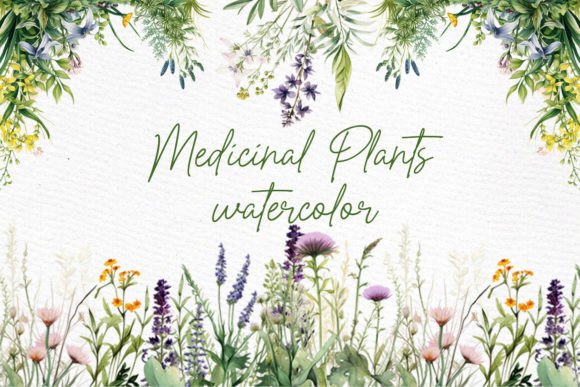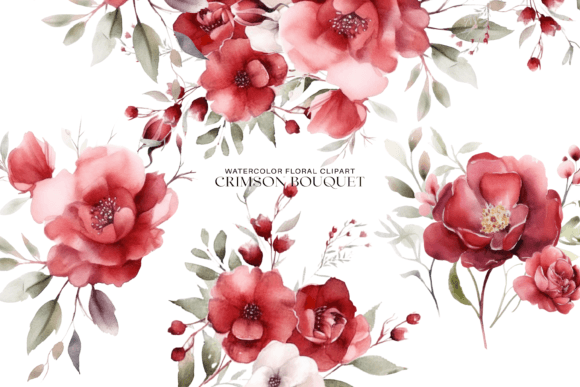
Watercolor Red Flowers Clipart Set: Editorial Illustrations
As a digital publisher who has overseen the visual strategy for dozens of content websites, I approach every new graphic design asset with a critical eye toward performance and editorial integrity. When evaluating the Watercolor Red Flowers Clipart Set, my first impression was not just about aesthetic beauty, but about its functional utility in a real publishing workflow. This collection immediately establishes a mood that is both organic and sophisticated. Unlike generic stock vectors, these illustrations carry the texture and imperfection of hand-painted art, which signals authenticity to readers. In an era where AI-generated imagery often feels sterile, this set offers a tactile warmth that builds immediate trust.
The editorial mood created by this asset leans heavily into lifestyle, wellness, and creative niches. It feels feminine without being juvenile, and artistic without appearing messy. For a publisher, this specific tone is invaluable for sites focused on gardening, sustainable living, wedding planning, or holistic health. The red hue provides a natural focal point that commands attention without the aggression associated with solid digital reds. Instead, the watercolor bleed creates a softer visual entry point, making it ideal for audiences seeking comfort and inspiration alongside information.
Integrating Botanical Art into High-Performance Content
In my daily workflow, versatility is the primary metric for any digital download. The Watercolor Red Flowers Clipart Set excels because the elements are isolated and scalable, allowing them to function across multiple content formats. When designing blog graphics, I found these flowers perfect for framing negative space in featured images. They guide the viewer’s eye toward the headline text rather than competing with it. This subtle direction is crucial for maintaining a strong visual hierarchy on article pages where readability must always come first.
For social media and discovery platforms, this asset transforms standard templates. When creating a Pinterest pin, the organic shapes of the flowers break up the rigid rectangular grid of the feed, increasing stop-rate and click-through potential. I also tested these elements within a Canva template designed for affiliate marketing. By placing a delicate floral accent near a call-to-action button or product recommendation, the design felt more like a personal endorsement and less like a hard sell. This psychological shift is essential for content marketing strategies that rely on relationship-building rather than interruption.
Elevating Digital Products and Lead Magnets
Beyond blog posts, this clipart set proves its worth in monetization assets. When designing a lead magnet such as a checklist or workbook, consistent branding is what separates professional products from amateur freebies. These illustrations provide a cohesive thread that ties a digital guide together. I utilized the larger blooms for eBook covers and the smaller buds for page dividers and worksheet headers. This consistency reinforces brand identity and increases the perceived value of the resource.
For creators selling printable design files or planners, the resolution and edge quality of this Watercolor Red Flowers Clipart Set are publication-ready. The transparency is clean, meaning there are no jagged white halos when placed over colored backgrounds in PDF editors. This technical polish is non-negotiable for small business branding where customers expect premium quality. Furthermore, for newsletter creators, using these florals as header accents can improve open rates by making email previews visually distinct in a crowded inbox.
Strategic Placement for Maximum Editorial Impact
Knowing where to deploy a design asset is just as important as the asset itself. Through testing, I have identified specific environments where this Watercolor Red Flowers Clipart Set performs best:
- Hero Images: Use large-scale blooms anchored to the corners of website headers to frame content without obscuring navigation.
- Category Thumbnails: Create a recognizable visual system for blog categories by assigning specific flower variations to different topics.
- Editorial Accents: Place small sprigs between H2 and H3 subheadings to break up long-form text and reduce reader fatigue.
- Social Media Previews: Utilize high-contrast floral arrangements for Instagram carousels and Facebook link previews to boost engagement.
- Content Upgrades: Brand your opt-in boxes and inline forms with subtle botanical elements to increase conversion visibility.
Conversely, there are contexts where restraint is necessary. I advise against using these detailed illustrations in very small mobile thumbnails where the watercolor texture may blur into indistinct blobs. Similarly, for highly corporate, financial, or technical niches, the romantic nature of red flowers may clash with the authoritative tone required. Publishers should also avoid placing these assets over busy photography or low-contrast backgrounds, as the intricate edges will get lost. In minimalist web design systems that rely strictly on typography and geometry, introducing organic florals can sometimes disrupt the established grid unless used very sparingly as a singular accent.
Publisher Notes: Technical and Licensing Due Diligence
Before integrating the Watercolor Red Flowers Clipart Set into a live production environment, experienced publishers must run through a practical quality assurance checklist. Visual appeal means nothing if the asset hinders user experience or legal compliance.
- Cross-Device Testing: Always preview the graphics on both desktop monitors and mobile screens. Watercolor edges can look sharp on Retina displays but muddy on older devices. Ensure the visual weight remains balanced across viewports.
- Typography Pairing: Test the clipart beside your site’s core fonts. These flowers pair exceptionally well with elegant serif fonts and modern scripts but can clash with industrial sans-serifs or monospaced coding fonts. Verify that the combination supports your desired modern design aesthetic.
- Contrast and Accessibility: Check text overlays against the floral backgrounds. Red watercolor can vary significantly in opacity. Ensure all headline text meets WCAG accessibility standards for contrast ratios. Never sacrifice readability for decoration.
- Web Performance Optimization: High-resolution PNGs can destroy page load speeds. Always compress these images using tools like TinyPNG or ShortPixel before uploading. Consider serving WebP versions to maintain quality while reducing file size for better SEO rankings.
- Licensing Verification: This is the most critical step for monetized sites. Confirm the commercial license terms explicitly. If you are using these in a digital product for sale, ensure the license covers end-product distribution. For affiliate marketing blogs, verify that the license permits use in promotional materials. Sourcing from a reputable creative marketplace usually provides clear documentation, but always read the fine print to protect your business.
Ultimately, the Watercolor Red Flowers Clipart Set is more than just a decorative add-on; it is a strategic tool for editorial design. When applied with intention, it enhances visual communication, strengthens reader connection, and elevates the overall professionalism of your digital presence. Whether you are refreshing a seasonal campaign, launching a new digital product, or simply aiming to make your blog posts more clickable, this asset provides the artistic foundation necessary to stand out in a saturated content landscape. By balancing aesthetic charm with technical discipline, publishers can leverage these illustrations to create content that is not only beautiful but also commercially effective.