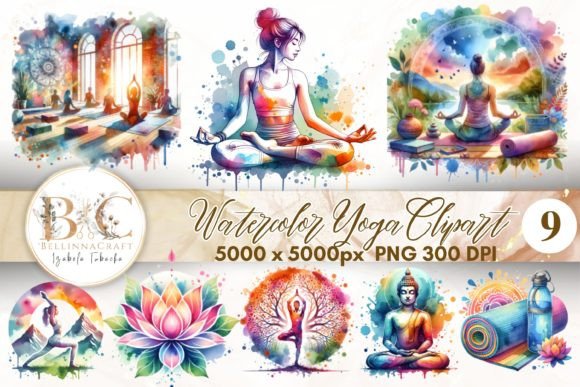
Watercolor Yoga Meditation Clipart Set: Editorial Illustrations
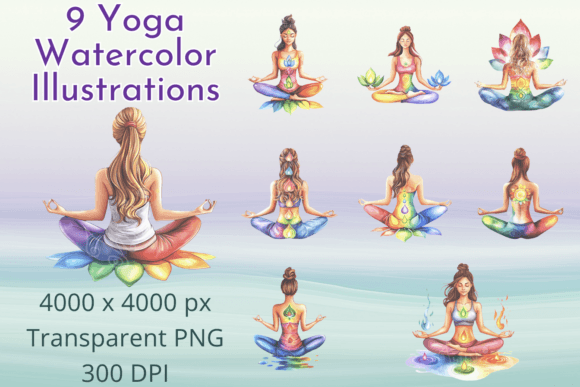
As a digital publisher and blog designer, my first interaction with any new graphic design asset is purely functional. I need to know immediately if the visual style will translate across multiple platforms without losing integrity. Upon reviewing the Watercolor Yoga Meditation Clipart Set, the immediate impression is one of organic softness paired with intentional whitespace. This collection does not scream for attention; rather, it invites the reader into a state of calm. For editorial design in the wellness, mindfulness, or holistic health niches, this mood is critical. It avoids the sterile, overly clinical look that often plagues medical-adjacent content while steering clear of the chaotic energy found in generic stock photography. The illustrations feel handcrafted and feminine yet maintain enough structural discipline to work within a modern design grid.
This specific aesthetic supports content that aims to build trust through vulnerability and authenticity. When a reader lands on a blog post about anxiety relief or morning routines, these watercolor textures signal safety and human connection. From a publishing workflow perspective, this asset bridges the gap between artistic expression and commercial utility. It feels less like a clipart pack and more like a curated library of brand identity elements suitable for serious content creators who need their digital products to look bespoke rather than assembled from disparate parts.
Integrating Soft Textures into High-Converting Blog Graphics
In real-world application, the true test of this Watercolor Yoga Meditation Clipart Set lies in its versatility across different content formats. When designing featured images for long-form articles, I found the individual elements easy to isolate against solid backgrounds. This is essential for maintaining visual hierarchy. A busy illustration can compete with headline text, but these assets possess enough negative space to allow typography to breathe. For website header designs, layering these watercolor washes behind sans-serif display fonts creates a sophisticated contrast that elevates the perceived value of the site.
Beyond standard blog graphics, this set excels in social media graphics and Pinterest pin creation. Pinterest users respond to vertical visuals that combine utility with beauty. Using these yoga poses as focal points in tall pins helps stop the scroll because they break the pattern of rigid, rectangular stock photos. For affiliate marketing content promoting yoga mats, meditation cushions, or online courses, these illustrations serve as neutral, non-branded anchors. They allow you to showcase affiliate products without the visual clutter of conflicting brand logos, keeping the focus on the lifestyle benefit rather than just the transaction.
Elevating Digital Products and Lead Magnets
For publishers creating downloadable resources, consistency is key to brand identity. I tested this set within a lead magnet checklist and a digital guide layout. The watercolor style translates beautifully to printable design because it mimics traditional media, making digital PDFs feel tangible and premium. When designing eBook covers or worksheet headers, these illustrations add texture that prevents the document from looking like a corporate memo. In the context of a Canva template, these elements are particularly valuable because they provide pre-made artistic accents that save hours of custom illustration time while ensuring the final product looks professionally designed.
- Newsletter Headers: Use subtle watercolor splashes to frame email subject lines, increasing open rates through visual recognition in crowded inboxes.
- Content Upgrades: Create cohesive checklists and journals where the art reinforces the meditative theme of the written content.
- Social Media Stories: Utilize isolated pose elements as interactive stickers or background textures for engagement polls.
- Category Thumbnails: Establish instant visual recognition for specific blog sections like "Breathwork" or "Asana Practice."
Strategic Placement for Maximum Editorial Impact
Knowing where to deploy this graphic design asset is just as important as knowing how to use it. These illustrations perform best when given room to resonate. Hero images at the top of landing pages benefit significantly from the calming color palette, setting an emotional tone before the user reads a single word. Similarly, editorial accents placed between dense paragraphs of text help break up cognitive load, improving readability and time-on-page metrics. For creative entrepreneurs selling courses or coaching, using these visuals in sales page testimonials or pricing tables softens the commercial hard sell, aligning the purchasing experience with the values of mindfulness and balance.
However, caution is required in certain contexts. I would advise against using these detailed watercolor illustrations in small mobile thumbnails where fine brushstrokes may blur into indistinct blobs. They also struggle against low-contrast backgrounds; placing light watercolor textures over white or pale pastel backgrounds requires careful opacity management to ensure accessibility standards are met. Furthermore, for highly corporate B2B content or严肃 financial advice columns, this aesthetic may undermine authority by appearing too whimsical. Always match the visual voice to the reader’s intent. If the content demands rigorous data presentation, these artistic flourishes should be relegated to footers or sidebars rather than dominating the primary visual field.
Publisher Notes: Technical Checks and Licensing
Before integrating the Watercolor Yoga Meditation Clipart Set into a live production environment, run through a practical quality assurance checklist. Visual appeal means nothing if it hampers web performance or legal compliance. Always test your compositions on both desktop and mobile screens. What looks balanced on a 27-inch monitor may appear cramped or misaligned on a smartphone. Check the file sizes rigorously; watercolor textures can be heavy. Compress images properly using modern formats like WebP to maintain the delicate gradient details without sacrificing page load speed, which directly impacts SEO rankings.
Typography pairing is another critical consideration. Test these illustrations beside various font families. They naturally complement elegant serifs and organic handwritten scripts but can clash with geometric, industrial sans-serifs unless used sparingly. Most importantly, verify the commercial license terms before using this asset on monetized websites, affiliate pages, or paid digital downloads. Understanding whether you can use the art in client work, resell templates containing the art, or modify the files for NFT or print-on-demand products protects your business from future liability. Confirming these rights upfront ensures that your investment in this creative marketplace asset yields sustainable returns for your content marketing strategy.
Ultimately, the Watercolor Yoga Meditation Clipart Set offers a robust solution for publishers seeking to humanize their digital presence. By balancing artistic warmth with functional design principles, it enables bloggers and educators to create content that feels both professional and deeply personal. Whether you are building a newsletter empire, refining a wellness blog, or crafting high-value lead magnets, these illustrations provide the visual vocabulary necessary to communicate tranquility in a noisy digital landscape. Treat them not merely as decoration, but as strategic tools for enhancing reader engagement and establishing a distinctive, trustworthy brand identity.