Watercolor Seashells Illustrations for Editorial Design
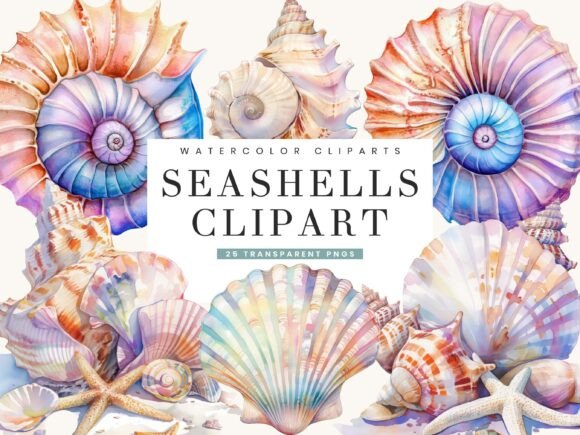
As a digital publisher and blog designer, my first interaction with any new graphic design asset is strictly utilitarian. I am not looking at art for art’s sake; I am evaluating whether a file can survive the rigors of content marketing, maintain visual hierarchy on a responsive website, and ultimately drive reader engagement. When I opened the Watercolor Seashells Clipart Bundle, my immediate assessment focused on its editorial mood. This collection does not scream "generic stock photo." Instead, it offers a soft, organic texture that signals authenticity and calmness. For publishers in the travel, lifestyle, wellness, or sustainable living niches, this aesthetic is crucial. It creates an immediate emotional connection that clean vector graphics often fail to achieve. The hand-painted quality suggests a human touch, which is vital for building reader trust in an era of AI-generated saturation.
Elevating Blog Graphics and Featured Images
In a real publishing workflow, the featured image is the primary hook. I tested elements from the Watercolor Seashells Clipart Bundle as focal points for article headers. The transparency and delicate edges of these illustrations allow them to blend seamlessly into colored backgrounds without the harsh bounding boxes typical of lower-quality assets. This is essential for modern web design where negative space dictates readability. When creating blog graphics, I found that layering two or three shells created a balanced composition that framed headline text beautifully. Unlike bold, high-contrast photography that can sometimes compete with typography, these watercolor illustrations provide a supportive backdrop. They enhance the visual hierarchy rather than disrupting it, ensuring that your H1 tags remain legible while still providing enough visual interest to encourage clicks from social feeds and search results.
Strategic Application in Pinterest Pins and Social Media
Pinterest remains a powerhouse for traffic in niches suited to this bundle, but the platform demands specific visual strategies. I utilized individual shell elements to create vertical Pinterest pin templates. The organic shapes of the seashells naturally guide the eye downward, which complements the vertical aspect ratio perfectly. For social media graphics on Instagram or Facebook, these illustrations serve as excellent corner accents or border elements. They add a polished, branded feel to quote cards and promotional posts without overwhelming the message. From an affiliate marketing perspective, this subtlety is key. You want the user to focus on the product recommendation or the value proposition, with the design asset serving as a thematic anchor that reinforces the coastal or natural vibe of the offer. The bundle provides enough variety to maintain a consistent brand identity across dozens of pins without appearing repetitive.
Enhancing Digital Products and Lead Magnets
Beyond standard blog posts, monetized sites often rely on digital downloads to capture emails or generate revenue. I evaluated the Watercolor Seashells Clipart Bundle specifically for use in lead magnets and printable design projects. Whether you are creating a beach-themed wedding planner, a summer reading tracker, or a coastal living eBook, these illustrations translate exceptionally well to print-ready formats. The resolution is sufficient for crisp printing, and the watercolor style adds perceived value to freebies. A worksheet decorated with thoughtful artistic details feels more premium than one with plain black lines. For Canva template creators, these assets are highly versatile. Because they are isolated elements, they can be easily dragged and dropped into pre-made layouts, allowing small business branding packages to include cohesive decorative elements that match a specific seasonal or thematic campaign.
Editorial Layouts and Newsletter Headers
Email newsletters require a different approach to visual communication. Screen real estate is limited, and load times matter. I found that using single, smaller shell illustrations as dividers between content sections worked better than large hero images. This maintains the editorial flow without pushing the actual content below the fold. For newsletter headers, a horizontal arrangement of the seashells creates a welcoming banner that sets the tone for the update. In long-form editorial design on the web, breaking up walls of text is necessary for retention. Placing a subtle watercolor accent near a pull quote or a sidebar opt-in form draws attention gently. It acts as a visual cue that guides the reader through the content, improving the overall user experience and keeping bounce rates low.
Performance Considerations and Visual Limitations
No design asset is perfect for every scenario, and professional judgment requires knowing when not to use a tool. While the Watercolor Seashells Clipart Bundle excels in lifestyle and creative contexts, it should be used with caution in corporate, financial, or highly technical niches. The softness of the medium may undermine authority if the content requires a stern, data-driven presentation. Furthermore, because watercolor relies on subtle gradients and light tones, contrast is a constant concern. I strongly advise against placing these illustrations directly over busy photographic backgrounds or dark textures without a solid overlay. On mobile devices, intricate details can get lost in small thumbnails. Always preview your designs at 50% scale to ensure the graphic remains recognizable. If the shell becomes an indistinct blob on a phone screen, it fails its purpose as a communication tool.
Publisher Workflow and Technical Best Practices
Before deploying these assets on a live site, run through a rigorous technical checklist. First, verify the commercial license. If you are using these on a monetized blog, within a paid digital guide, or on merchandise for sale, you must confirm that your usage rights cover commercial design applications. Second, optimize for web performance. Raw clipart files are often larger than necessary for screen display. Compress PNGs using lossless tools to reduce file size without sacrificing the delicate edge quality that makes watercolor unique. Third, test typography pairings. These illustrations harmonize best with elegant serifs, clean sans-serifs, or authentic handwritten fonts. Avoid heavy, industrial display fonts that clash with the organic nature of the art. Finally, check accessibility. Ensure that when used as decorative background elements, they are hidden from screen readers, but when used as meaningful content indicators, they have appropriate alt text describing the visual context.
Integrating the Watercolor Seashells Clipart Bundle into a publishing strategy is about more than just decoration; it is about crafting a cohesive visual language. When used intentionally, these illustrations bridge the gap between professional polish and personal warmth. They support content marketing goals by making digital products feel tangible and blog posts feel curated. For the creative entrepreneur or digital publisher, owning a versatile set of high-quality design assets like this reduces production time and elevates the perceived value of every piece of content produced. By respecting the technical constraints and leveraging the emotional resonance of the medium, you can transform standard web pages into immersive editorial experiences that resonate deeply with your target audience.